

AI Surgeons Will Beat Human Doctors Within 3 Years, Elon Musk Predicts
Elon Musk Predicts AI Surgeons Will Outperform Humans in Just Three Years — Is This the Future of Medicine?
Imagine walking into a hospital for a major operation, but instead of a team of human surgeons, a highly precise humanoid robot handles the procedure with flawless steadiness. No shaky hands, no fatigue, and access to knowledge from millions of past surgeries in seconds. Sounds like sci-fi? Elon Musk thinks it could be reality much sooner than we expect.
In a recent podcast appearance, the Tesla and SpaceX CEO made a bold statement: AI-powered surgeons could be better than the world's top human surgeons within just three years. Yes, you read that right — not in 20 or 30 years, but potentially by around 2029.
This isn't just hype from a tech dreamer. Musk has a track record of turning wild ideas into reality (think reusable rockets and millions of electric cars on the road). So when he talks about robots taking over the operating room, people — including doctors — are paying attention.
Here’s a closer look at what he said, where the tech stands today, and whether this medical revolution is really coming that fast.
The Podcast Bombshell: What Elon Musk Actually Claimed
During a conversation on the Moonshots podcast with futurist Peter Diamandis (a doctor and engineer himself), Musk didn't mince words. He said Tesla's humanoid robot, Optimus, could soon perform surgery better than even the most skilled human doctors.
He went further: one day, there could be more Optimus robots capable of top-tier surgery than there are human surgeons on the entire planet right now.
Here’s a shot of Elon sharing his big-picture thoughts on AI and robotics:

Musk's point? Humans get tired, stressed, and shaky. Robots don't. Once AI hits a certain level of smarts and precision, our biological limits become the weak link.
Meet Optimus: Tesla’s Game-Changing Humanoid Robot
Optimus isn't just another factory bot. It's built to work in real human spaces — homes, offices, hospitals — with flexible hands, legs, vision, and an AI brain powered by the same tech that drives Tesla's self-driving cars.
Check out these detailed looks at Optimus in action:
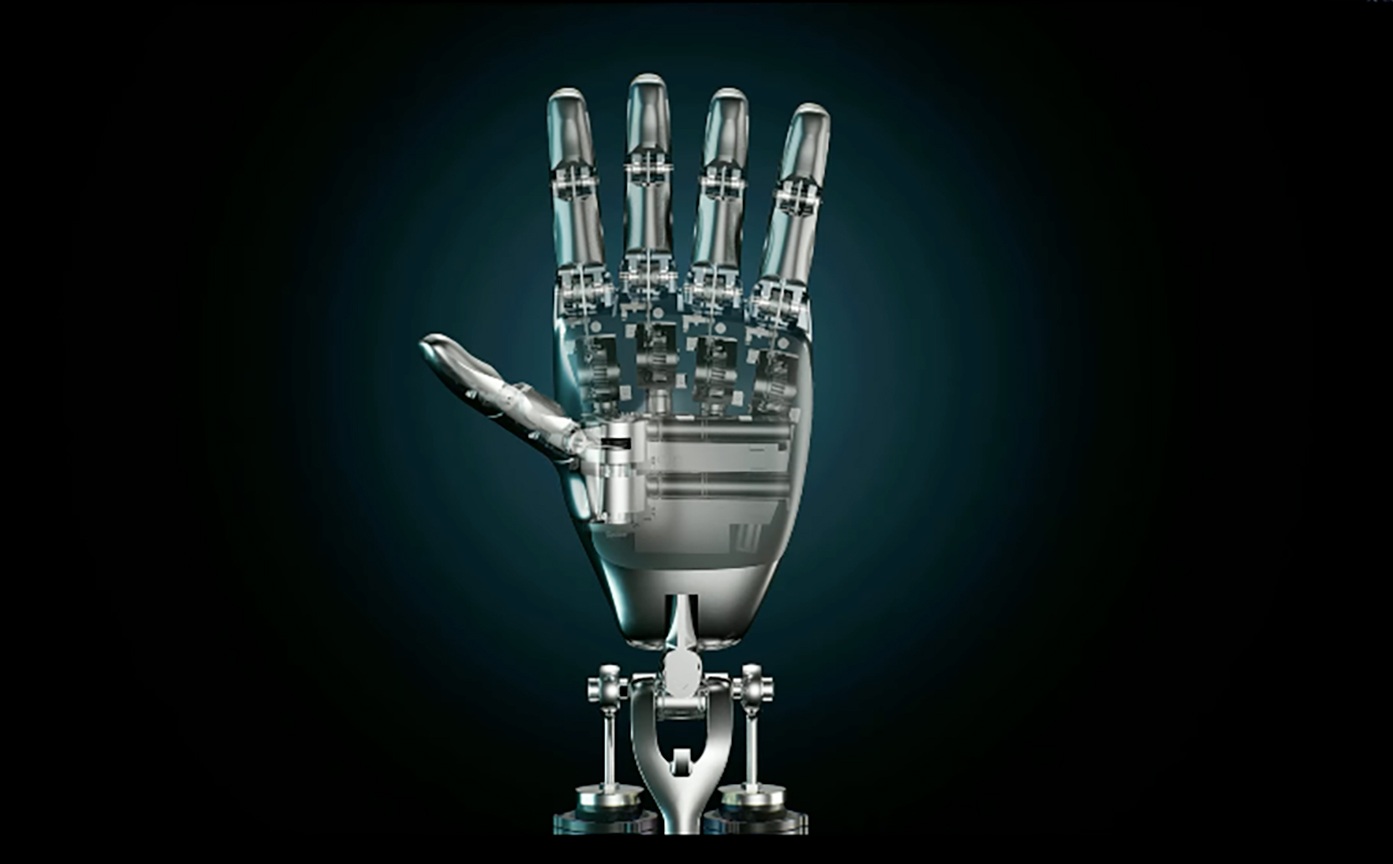
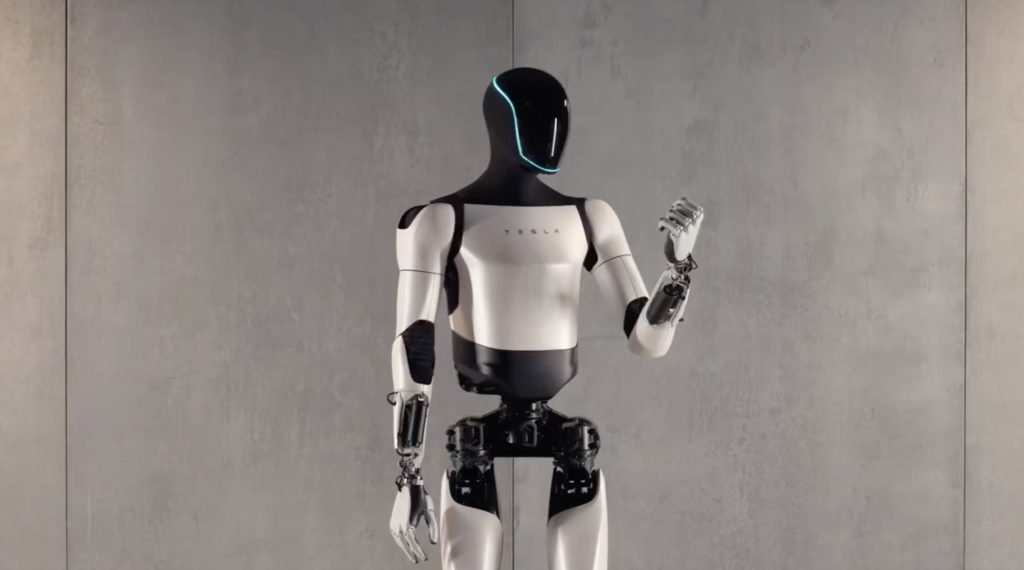
Surgery would be the ultimate challenge for Optimus: extreme precision, split-second decisions, and handling the unpredictable human body. But that's exactly why Musk sees it as possible — the robot learns from massive real-world data, just like Tesla cars learn from millions of miles of driving.
A human surgeon might do a few thousand operations in a career. An AI could study millions quickly — and share every lesson instantly across the fleet.
Where AI Surgery Stands Today
Robotic surgery isn't new. Systems like the da Vinci have helped surgeons perform minimally invasive procedures for years — smaller cuts, faster recovery, and better precision.
Here are some real examples of current robotic surgery setups:

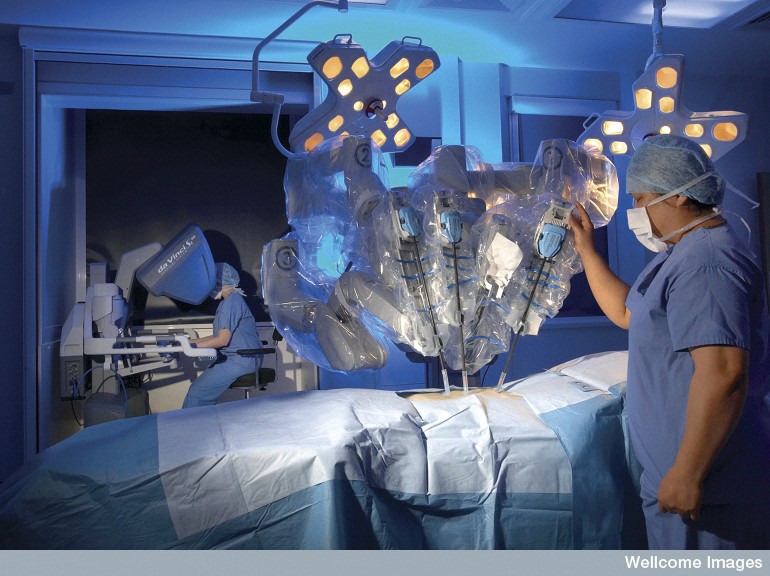
Right now, though, these are tools controlled by human surgeons. AI helps with things like analyzing scans, planning incisions, or spotting risks — and it's already better than humans in some narrow tasks.
The big jump Musk predicts is full autonomy: a robot that makes decisions and operates on its own, without human hands on the controls.
Here’s how AI is already enhancing surgical planning:
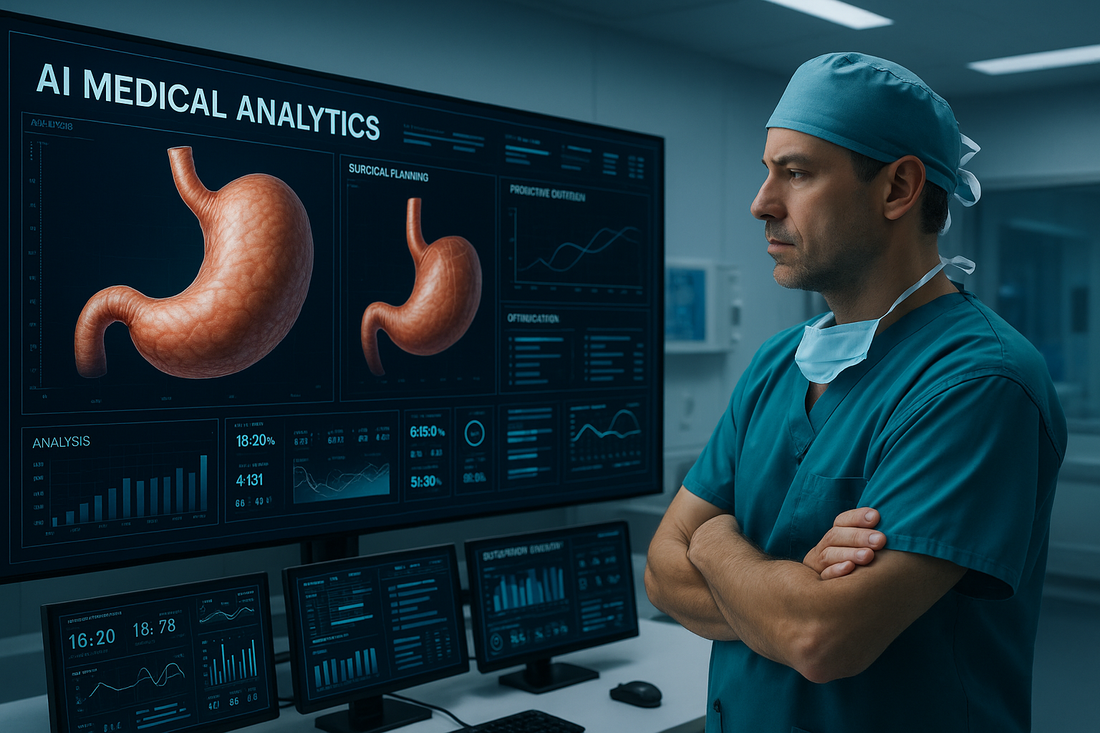
Could AI Really Be Better Than Human Surgeons?
Humans shine in empathy, improvisation, and handling the unexpected — reading a patient's anxiety or adapting to rare complications on the fly.
But machines win on consistency: no tremors, no fatigue, perfect 3D vision through sensors, and the ability to work 24/7. Plus, AI can spot tiny details in tissue or blood flow that the human eye might miss.
And the learning speed? Mind-blowing. One breakthrough improves every AI surgeon instantly — something humans can't do.
Here’s a futuristic vision of advanced humanoid robots in the OR:


Is Three Years Realistic?
Musk loves bold timelines — and sometimes they're optimistic. Self-driving cars took longer than he predicted. But AI progress has been explosive lately: chatbots to exam-passing geniuses in just a few years.
Tesla has the data, hardware, and AI expertise already. Still, surgery adds huge hurdles: patient safety, FDA approval, hospital trust. Three years for better performance in controlled tests? Maybe. Widespread use? Probably longer.
The Bigger Picture: Global Impact and Ethics
If this happens, it could fix massive problems. Millions of people worldwide lack access to skilled surgeons — especially in rural areas or developing countries.
Visualize the global surgeon shortage:
60160-X/asset/75612cce-57d3-478b-ac2f-fe4666853f69/main.assets/gr2_lrg.jpg)
AI could bring top-level care anywhere, lowering costs and saving lives.
But big questions remain: Who’s responsible if something goes wrong? How do we prevent bias in training data? Will patients trust a robot?
Most experts think the future is teamwork — AI handling precision work, humans focusing on decisions, communication, and care.
Final Thoughts
Elon Musk’s prediction sounds wild, but the direction feels inevitable. AI is already transforming medicine, and surgery might be next. Whether it’s three years or ten, the conversation has started — and it’s one worth having.
For more on this topic, check out Peter Diamandis’ Moonshots podcast or Tesla’s latest on Optimus.
10 Frequently Asked Questions (FAQs) About AI Surgeons
1. Will AI completely replace human surgeons? No — the future looks like collaboration. AI will handle precise, repetitive tasks, while humans manage judgment, empathy, and complex decisions.
2. Are autonomous AI surgeons operating on patients today? Not yet. Current robotic systems (like da Vinci) are fully controlled by human surgeons.
3. Is Tesla actually planning to make surgical robots? Optimus is a general-purpose humanoid robot, but Musk says its skills could extend to surgery.
4. Would AI surgery be safer? Potentially yes — due to perfect consistency, no fatigue, and superhuman precision — but safety depends on testing, regulation, and trust.
5. How soon could we see AI surgeons in hospitals? Assisted robotic surgery is already common. Fully autonomous systems might start in limited, controlled settings within 5–15 years.
6. What if the AI makes a mistake? Accountability is a huge issue — likely shared between manufacturers, hospitals, and regulators. Early systems will probably keep humans in supervision.
7. Can AI learn from every surgery worldwide? Yes — unlike humans, AI can share knowledge instantly across all units, accelerating improvement dramatically.
8. Will AI surgery cost less? Likely yes over time — fewer human hours, scalable deployment, and potentially fewer complications could drive costs down.
9. What about bias in AI medical decisions? A real risk if training data reflects healthcare inequalities. Developers must actively address this with diverse datasets and oversight.
10. Should patients be excited or worried? Both! The potential for better outcomes and wider access is huge, but ethical and trust issues need solving first.
What do you think — would you let an AI robot operate on you? Drop your thoughts in the comments! And if you enjoyed this, feel free to share or leave a quick review. 😊
#ArtificialIntelligence
#AISurgeons
#ElonMusk
#MedicalTechnology
#Robotics
#FutureOfHealthcare
#AIinMedicine
#TechNews




No comments:
Post a Comment