
AI-Powered Cybersecurity: A Hands-On Guide for American IT and Security Teams


Cybersecurity in the U.S. is facing some serious challenges right now. With so many businesses shifting to the cloud, teams working remotely or in hybrid setups, and everyday devices like smart home thermostats or Ring cameras connected to the internet, the risks are everywhere. On top of that, hackers are getting smarter by using AI to launch more sophisticated attacks—from ransomware that cripples entire hospitals to phishing emails that fool even the savviest employees with deepfake tech.
Remember high-profile incidents like the Colonial Pipeline ransomware attack or the massive MGM Resorts breach? Those show how quickly things can go wrong. U.S. companies deal with billions in potential losses every year, and according to recent reports, the average data breach here costs over $10 million—much higher than the global figure.
This is why AI-driven cybersecurity isn't just a nice-to-have; it's becoming a must-have to stay one step ahead. These tools use machine learning to spot patterns and predict issues, shifting from reactive firefighting to proactive protection. If you're an IT leader, CISO, SOC analyst, or engineer in an American company, this guide breaks it down in plain terms with practical advice.
In our digital-heavy economy, cyber threats are exploding. Experts estimate global cybercrime could hit trillions in damages soon, and U.S. firms take a big hit because we're so reliant on technology. For example, major banks like JPMorgan Chase use AI to detect fraud in real-time, saving huge amounts of money. Tools from companies like CrowdStrike or Darktrace are already helping organizations meet tough regulations like HIPAA for healthcare or PCI-DSS for payments, while supporting zero-trust approaches that many U.S. businesses are adopting.
What Exactly Is AI-Powered Cybersecurity?


At its core, AI-powered cybersecurity leverages artificial intelligence to detect, block, and respond to threats more quickly and accurately than traditional methods. Old-school antivirus scans for known viruses using signatures, but AI learns from vast amounts of data—like network traffic, user logins, and app behavior—to catch entirely new threats, including zero-day exploits that no one's seen before.
Picture this: Your team's cloud servers start exfiltrating data in the middle of the night. An AI system can flag that anomaly instantly, even if it's a brand-new tactic, and alert your team or even block it automatically.
Popular platforms like Microsoft Sentinel or Darktrace pull data from firewalls, identity providers (think Okta or Azure AD), and threat feeds to build a baseline of "normal" activity. In the post-pandemic world, where remote work is still the norm for many Americans, this helps secure all those home networks and personal devices. Take PayPal—they analyze millions of transactions with AI to stop fraud before it happens.
These systems shine against advanced threats from nation-states or organized crime, integrating seamlessly with tools you might already use.
Why Traditional Security Falls Short in Modern Businesses
Classic defenses like basic firewalls or signature-based antivirus work great against known threats, but today's attackers evolve fast. They use polymorphic malware that changes shape to evade detection or fileless attacks that run only in memory.
SOC teams are overwhelmed with alerts—often millions a day, many false positives—leading to exhaustion and missed real issues. Remote and hybrid work has erased clear network boundaries, and multi-cloud environments (AWS, Azure, etc.) add layers of complexity.
The Colonial Pipeline hack is a stark example: Ransomware slipped through traditional defenses, disrupting fuel supplies across the East Coast.
Alert overload wastes time, and legacy tools struggle with SaaS apps like Office 365. With breach costs skyrocketing, AI helps by smartly correlating data, prioritizing true risks, and giving context. Solutions like Palo Alto Networks' Cortex XDR have helped companies slash response times.
The Key AI Technologies Powering Today's Defenses

Several AI building blocks make this possible:
- Machine Learning: Analyzes huge datasets for anomalies, like unusual data transfers.
- Deep Learning: Handles intricate patterns, great for spotting ransomware sequences.
- Natural Language Processing (NLP): Scans emails or messages for phishing tricks, including business email compromise (BEC) scams targeting finance teams.
- Behavioral Analytics (UEBA): Establishes norms for users and devices, flagging oddities like late-night access to sensitive files.
For instance, SentinelOne uses deep learning on endpoints to stop unknown malware. Tools like Proofpoint employ NLP against clever phishing, while platforms like Exabeam detect insider risks.
Combined, they enable proactive threat hunting, with some like Darktrace even responding autonomously.
How AI Cybersecurity Works in Practice: The Step-by-Step Flow

It's like an intelligent alarm system that not only detects intruders but acts on its own.
- Data Collection: Pulls logs from everywhere—endpoints, networks, clouds.
- Normalization: Cleans and connects the data for a full picture.
- Baselining: Learns what's normal for your environment.
- Risk Scoring: Flags and prioritizes deviations.
- Automated Response: Quarantines devices or blocks IPs via orchestration tools.
- Continuous Learning: Improves from each incident.
A bank using Microsoft Sentinel might resolve threats in minutes instead of hours. This scales well for distributed U.S. teams embracing zero-trust.
Real-World Ways Companies Are Using AI for Security
Common applications include:
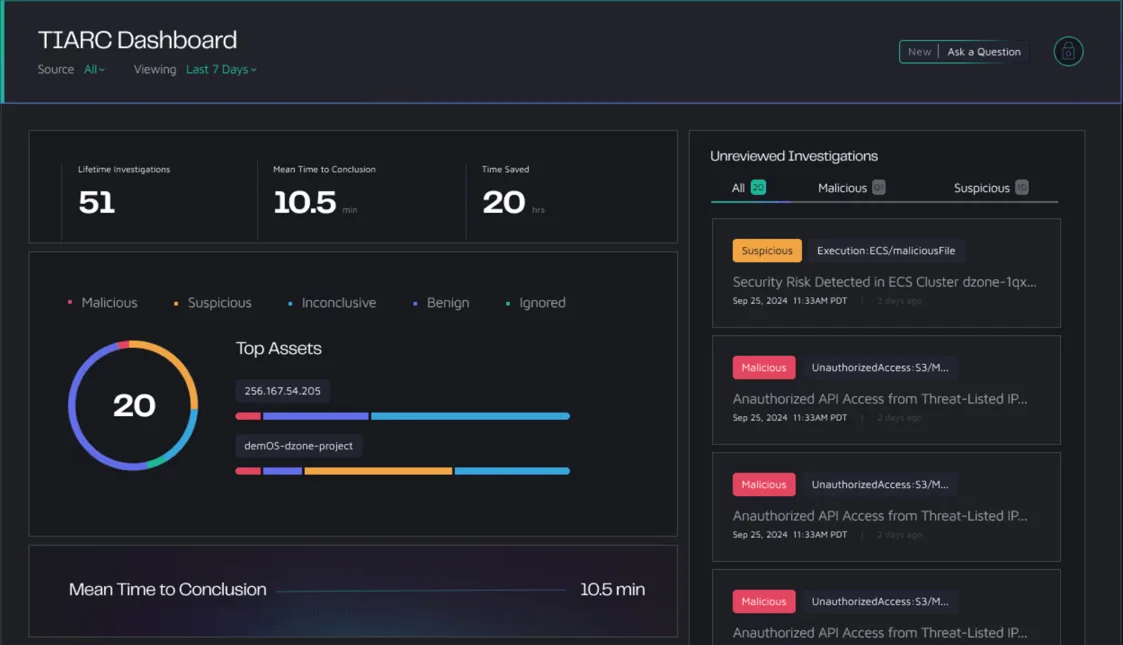
- Spotting zero-days in real-time.
- Endpoint detection with behavioral focus (e.g., CrowdStrike Falcon).
- Network monitoring for sneaky lateral movement (Vectra AI).
- Email guards against phishing (Abnormal Security).
- Fraud prevention in finance.
Retailers have used Darktrace to halt ransomware mid-spread, reducing downtime and losses.
How AI Is Revolutionizing Security Operations Centers (SOCs)

AI triages alerts, predicts threats, and automates routine tasks, cutting detection times and analyst burnout. With U.S. talent shortages, this lets teams focus on strategy.
Platforms like Stellar Cyber exemplify this shift.
The Real Benefits for U.S. Companies
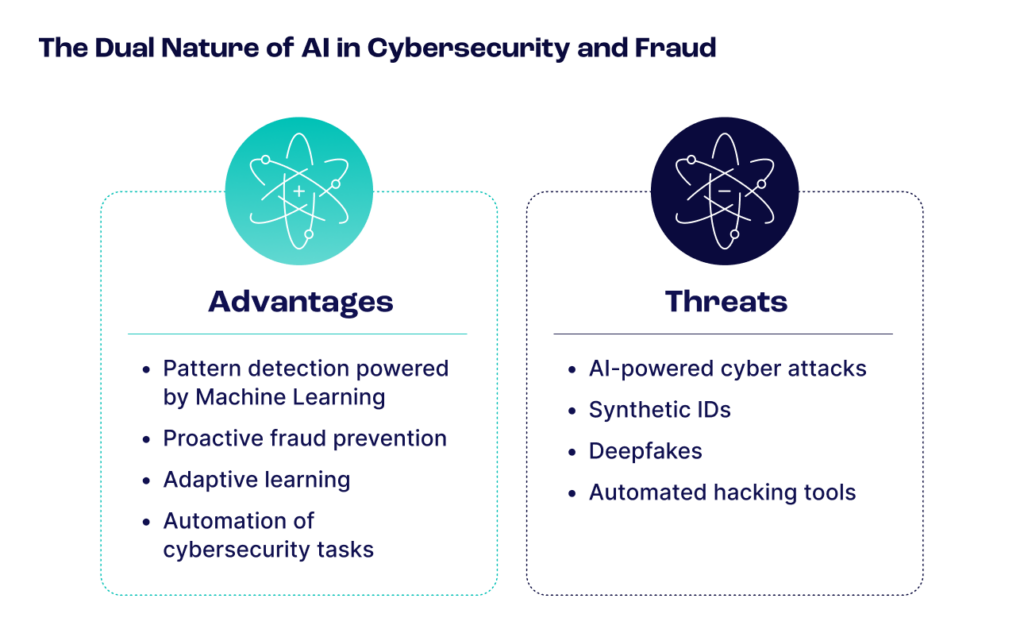

- Scalable detection for growing threats.
- Drastically fewer false alerts.
- Faster incident response.
- Easier compliance with U.S. regs.
- Strong support for cloud and zero-trust setups.
Long-term, it pays off by preventing costly breaches.
Potential Challenges and How to Handle Them
No tool is perfect. Poor data can bias models, attackers might trick AI, and "black box" decisions can complicate audits. Setup costs and skill gaps are real too.
Mitigate with quality data, regular testing, and human oversight.
Smart Ways to Roll Out AI Cybersecurity
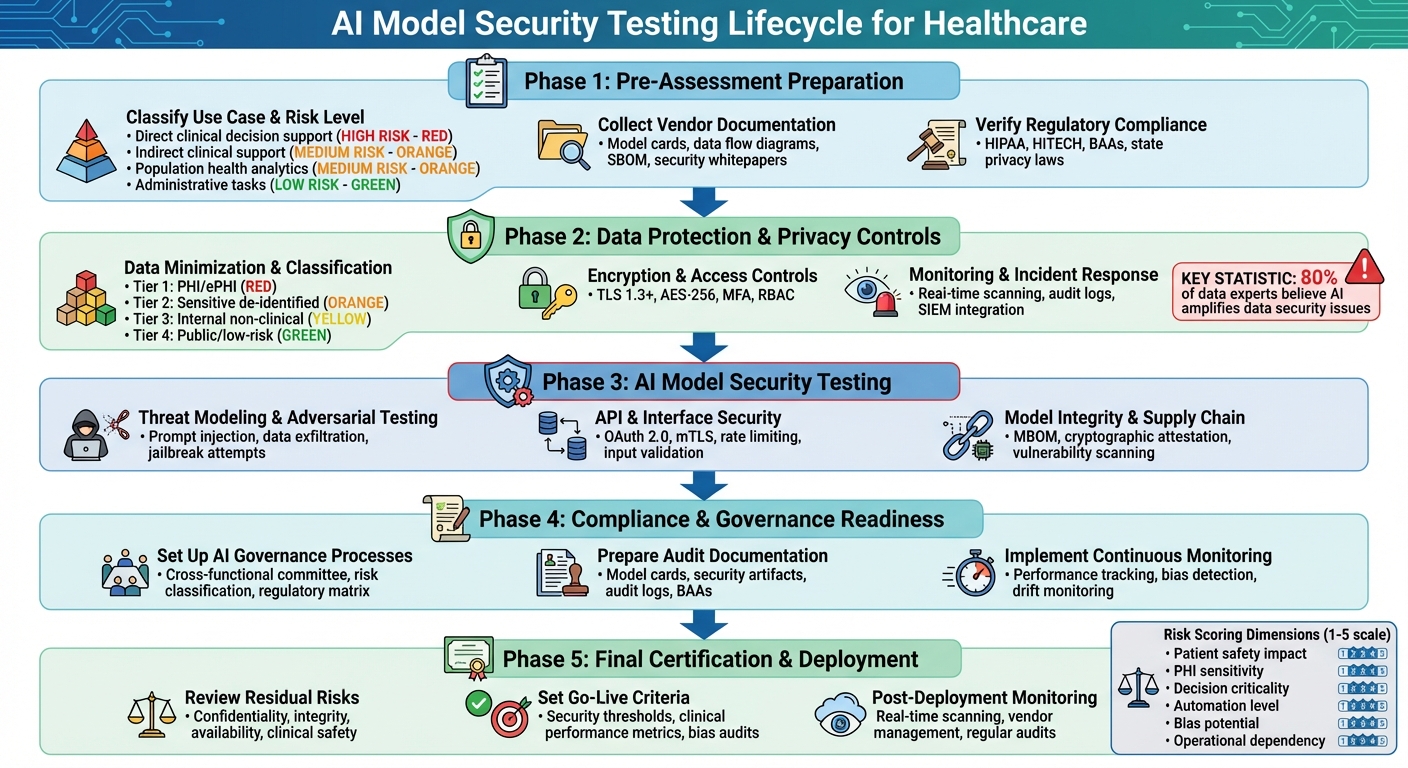
Start with clear goals and a pilot in one area, like email security. Integrate gradually, train your team, and always keep humans in critical decisions.
Many U.S. organizations begin small and scale up.
Looking Ahead: The Future of AI in U.S. Cybersecurity


We're heading toward more autonomous systems, AI battling AI attacks, predictive blocking, and self-healing networks. Governance will be key to keep it ethical.
Quick Tips for IT and Security Pros
Brush up on basics via free resources. Experiment with tools like Sentinel or Falcon. Focus on data hygiene, cloud security, and stay informed through CISA or NIST.
Wrapping Up
AI is transforming how American businesses protect themselves in an increasingly digital world. Pairing smart tech with human expertise creates stronger, more resilient defenses. Stay proactive—it's worth it for your data, reputation, and bottom line.
For deeper dives, check out the NIST Cybersecurity Framework or CISA's guidance.
Frequently Asked Questions
- What is AI-powered cybersecurity? It's the use of AI technologies, like machine learning, to identify patterns, detect new threats, and automate responses—going beyond traditional rule-based systems.
- Why is it especially important for U.S. businesses today? Threats are advancing rapidly, often using AI themselves, and breaches here are expensive (over $10 million on average), with strict regulations to meet.
- How does AI help reduce SOC alert fatigue? By intelligently filtering noise, correlating events, and highlighting only genuine risks, freeing analysts for important work.
- What are leading AI cybersecurity tools right now? Standouts include CrowdStrike Falcon, Microsoft Sentinel, Darktrace, SentinelOne, Vectra AI, and Palo Alto Cortex—many evolving quickly.
- Will AI replace human security experts? Absolutely not. It handles scale and speed, but humans provide judgment, context, and oversight.
- How effective is AI at stopping phishing? Very—NLP analyzes content, context, and behavior to catch even advanced scams that fool basic filters.
- What are the main risks of AI in cybersecurity? Biased or inaccurate models from bad data, attacks designed to fool AI, and challenges explaining decisions for compliance.
- Is it affordable for smaller or mid-sized U.S. companies? Upfront costs exist, but cloud-based options scale, and the savings from avoided breaches often justify it quickly.
- How should my team get started? Assess your biggest risks, pilot one tool (e.g., for endpoints or email), involve staff in training, and expand based on results.
- What's coming next for AI in cyber threats and defenses? An arms race: More predictive and autonomous protection, but attackers will innovate too—strong policies and ethics will matter most.




No comments:
Post a Comment