
How Artificial Intelligence Is Transforming Our Daily Lives
A Practical Guide to AI's Impact on Education, Healthcare, and Everyday Activities
Meta Description (for SEO): Explore how artificial intelligence is revolutionizing education, healthcare, communication, travel, and daily routines. This beginner-friendly guide details AI's real-world applications and offers tips for leveraging it effectively.
Introduction: AI Is Already Integrated into Your Daily Life
Consider how your smartphone unlocks with facial recognition, how streaming services recommend content tailored to your tastes, or how search engines autocomplete your queries. These features are powered by Artificial Intelligence (AI), a technology that operates quietly in the background of modern life.
AI has moved beyond science fiction to become a core component of everyday tools and services. It enhances efficiency in smartphones, classrooms, hospitals, and workplaces by accelerating tasks, improving decision-making, and automating routine processes.
Contrary to the perception that AI is limited to tech giants or specialists, it benefits individuals across all walks of life: students receive personalized study aids, teachers gain planning tools, small business owners optimize inventory, physicians analyze data rapidly, commuters navigate efficiently, and professionals streamline workflows.
This guide examines AI's transformative effects across key areas, its current significance, and practical ways to adopt AI tools responsibly for greater productivity.


What Is Artificial Intelligence? A Straightforward Explanation
Artificial Intelligence enables machines and software to perform tasks that mimic human thinking, learning, and decision-making. Unlike conventional programs that follow rigid rules, AI systems improve over time by processing data, recognizing patterns, and adapting.
In essence:
- AI processes and interprets information.
- It identifies patterns in vast datasets.
- It refines its accuracy through ongoing learning.
This adaptability sets AI apart from traditional software, allowing it to predict outcomes, generate insights, and evolve with new information.


Common Examples of AI in Action:
- Autocomplete suggestions in search engines.
- Facial recognition for device security.
- Personalized recommendations on platforms like Netflix or YouTube.
- Voice assistants (e.g., Siri, Google Assistant) handling schedules and queries.
AI also drives real-time translation, navigation apps, and virtual assistants, simplifying global communication and travel.
AI's Role in Daily Routines
AI seamlessly integrates into daily activities, enhancing convenience from morning to night through smartphones, smart devices, and online services.
1. AI in Smartphones
Modern smartphones leverage AI for intuitive features:
- Automated camera enhancements for lighting and composition.
- Biometric security via face or fingerprint recognition.
- Predictive text and autocorrection for efficient typing.
- Voice-to-text and live translation for cross-language communication.
These capabilities enable better content creation and global connectivity.

Real-Life Example: A college student in Delhi uses AI-enhanced smartphone cameras to produce high-quality social media photos, building an online portfolio and securing freelance opportunities without professional equipment.
2. AI in Education: Making Learning More Accessible and Effective
AI addresses educational challenges like large class sizes and resource limitations by delivering personalized, interactive experiences tailored to individual learning styles.
Platforms provide adaptive exercises, performance analytics, and instant feedback, boosting engagement and knowledge retention.
Example from India: A teacher in a rural Uttar Pradesh village incorporated AI-based apps, enabling students to master difficult subjects through interactive modules and self-paced practice. This has built confidence and independent learning skills.


AI extends to virtual tutors, educational games, and remote learning tools, particularly benefiting underserved areas while allowing educators to focus on mentorship.
3. AI in Healthcare: Enhancing Diagnosis and Patient Care
In healthcare, AI supports faster, more accurate diagnostics by analyzing images, records, and data at scale, reducing errors and enabling timely interventions.
Physicians gain more time for patient interaction, while AI aids in predicting outcomes and optimizing treatments.
Key Benefits: Rapid review of medical histories helps detect issues early, improving outcomes and resource allocation.


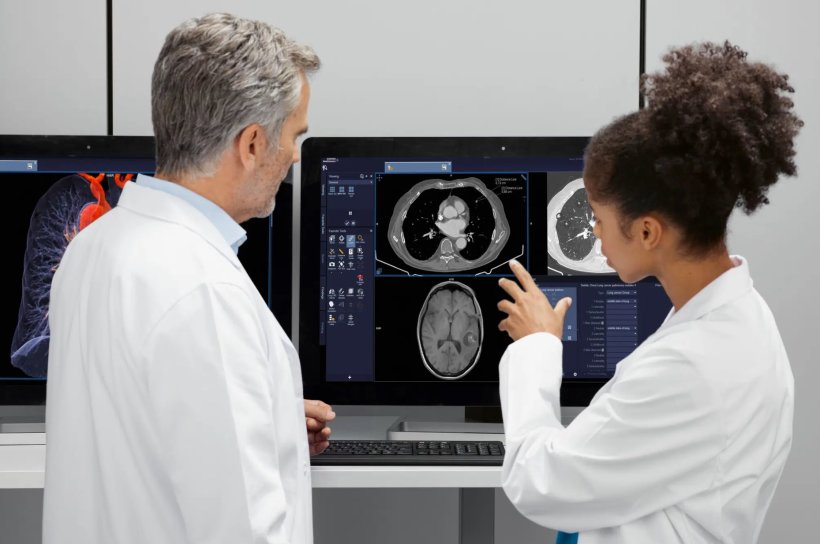
AI also contributes to outbreak prediction, robotic-assisted surgery, personalized therapies, and efficient hospital management, making healthcare more precise and accessible globally.
#ArtificialIntelligence #AITools #AIInEducation #AIInHealthcare #Technology #DailyLifeWithAI




No comments:
Post a Comment